


ผู้เขียน: Weibo
วันที่: Jul 15, 2026
What Makes a Bimetallic Screw Barrel Outperform Standard Barrels?
A bimetallic screw barrel outperforms a standard barrel mainly because its inner working surface is fused with a hard alloy layer, such as tungsten carbide or nickel-chromium alloy, which raises surface hardness to roughly HRC60-70 and can extend service life by around 5 to 8 times compared with an ordinary barrel. This single design change reduces how often the barrel needs to be replaced, lowers long-term maintenance workload, and helps keep dimensional accuracy stable during continuous extrusion or injection runs. The sections below explain how the alloy layer is built, what performance gains it typically brings, which plastics and industries rely on it, and how a processor can decide whether a Bimetallic Screw Barrel fits a given production line.
Understanding Bimetallic Screw Barrel Technology
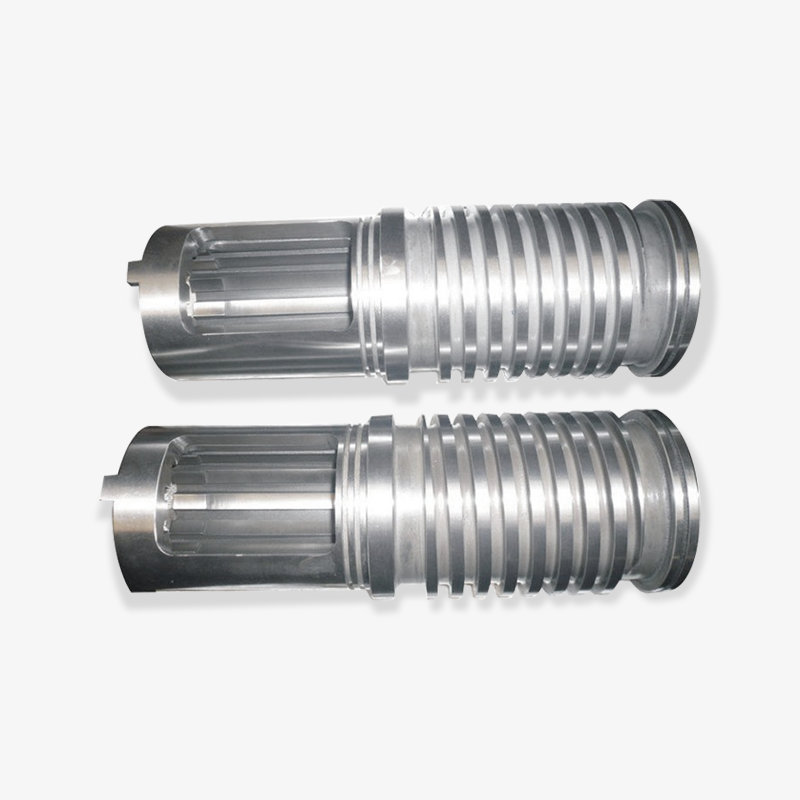
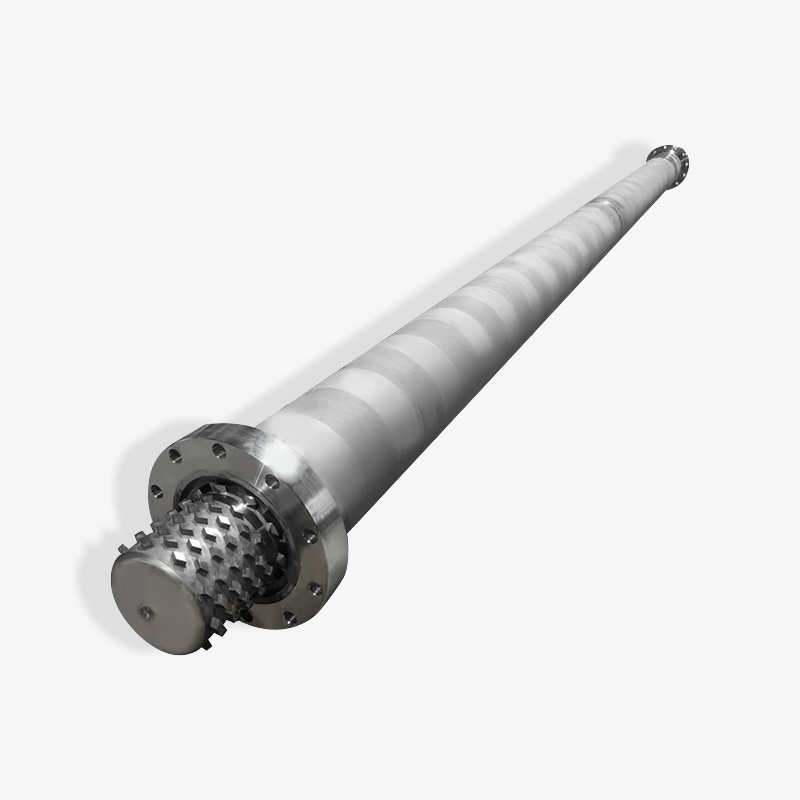
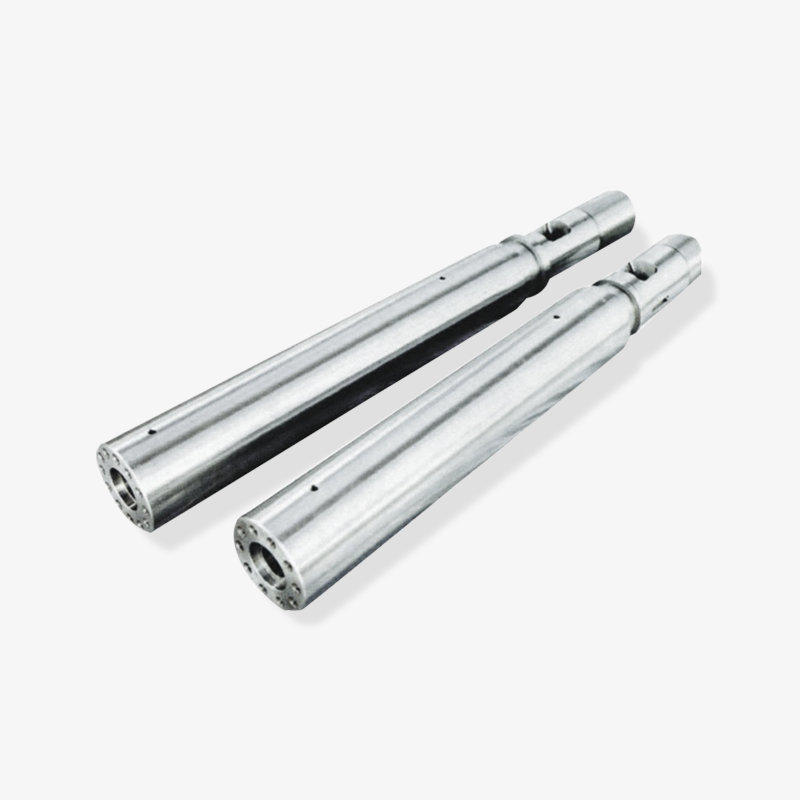
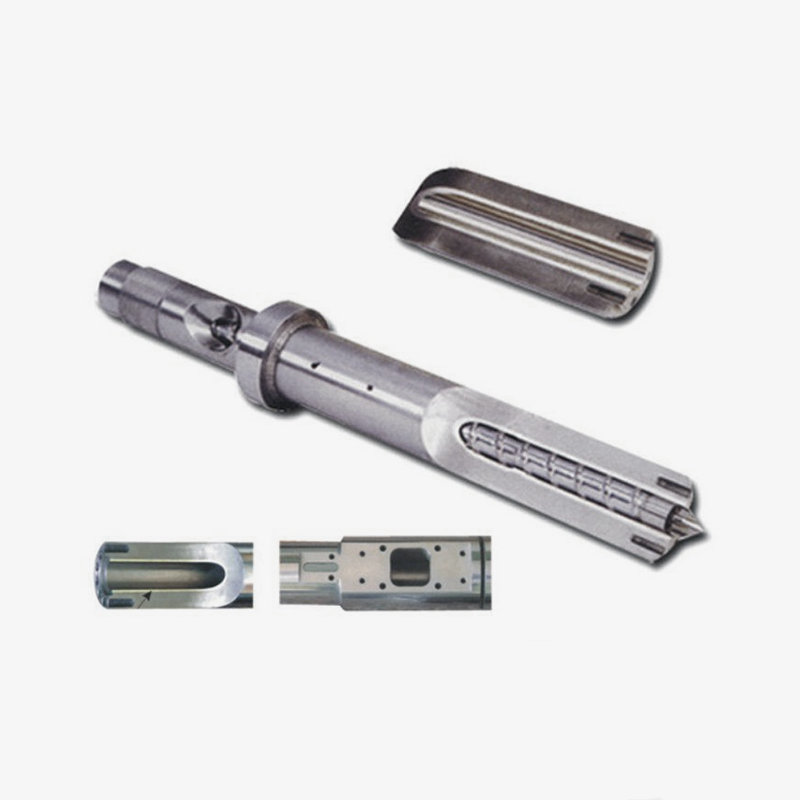
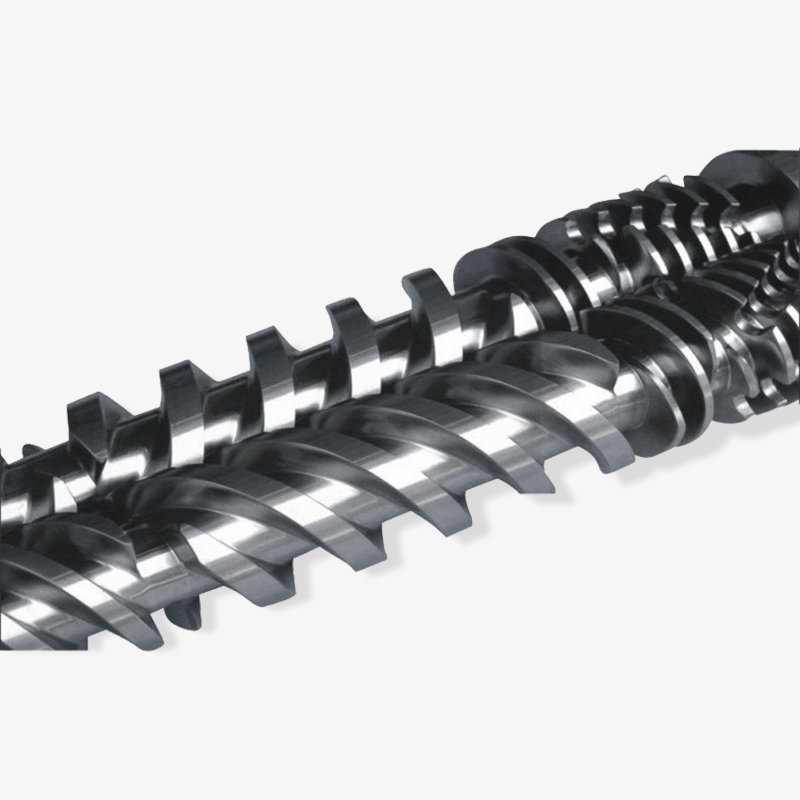
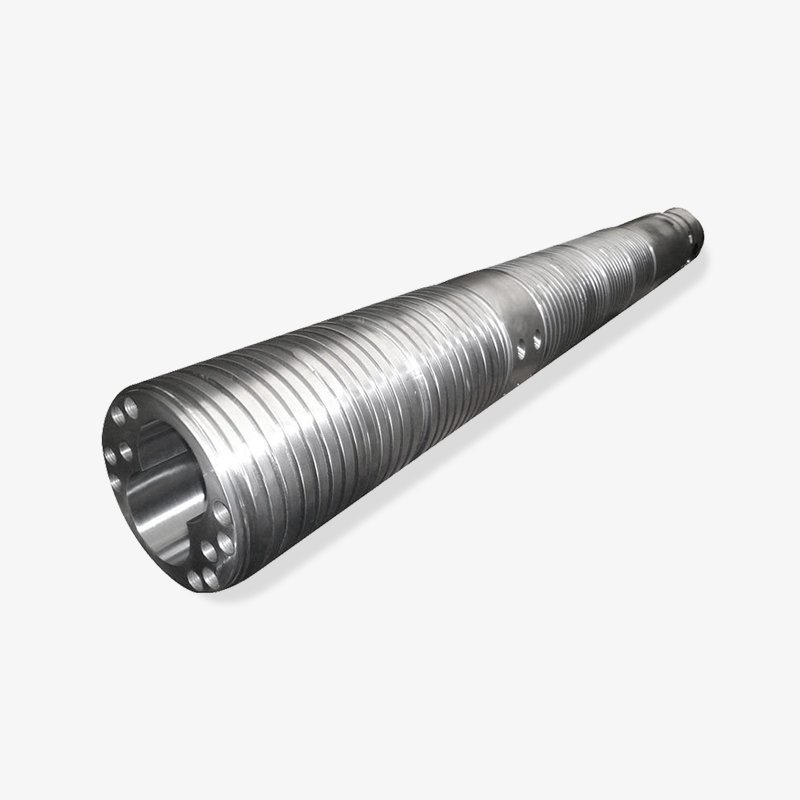
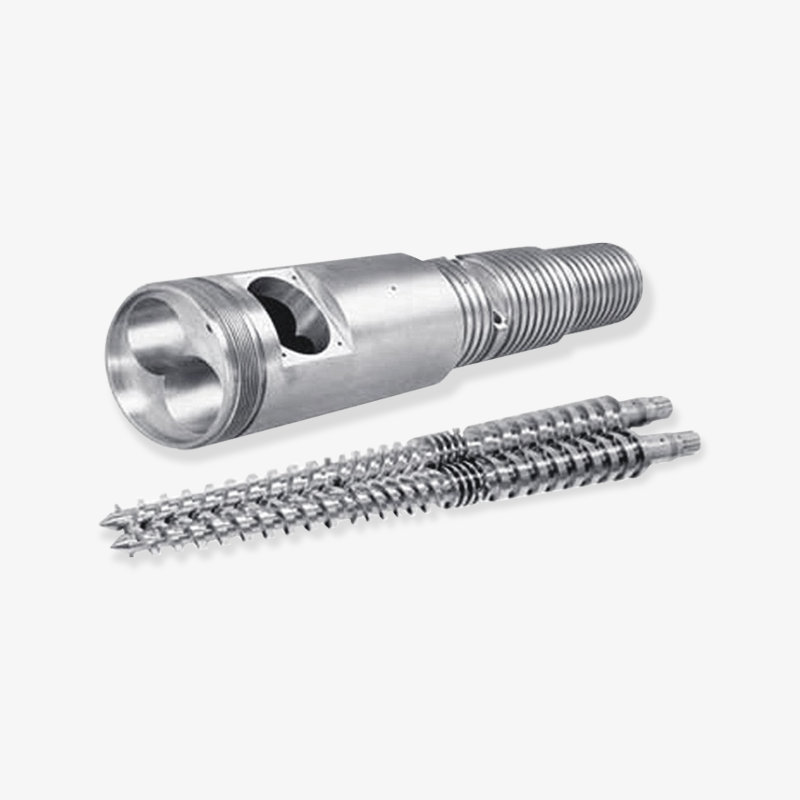
A bimetallic screw barrel is built by combining a structural base metal, typically a nitrided alloy steel, with an inner metallurgical layer of a much harder alloy fused onto the bore surface. The two metals are bonded through a centrifugal casting or spray-fusion process, which is why the term "bimetallic" is used: two distinct metal layers work together, one providing structural strength and the other providing a wear-resistant working surface. This layered approach is different from a single-metal barrel that relies only on surface hardening treatments such as nitriding, which typically produce a thinner hardened case that wears down faster under abrasive material flow.
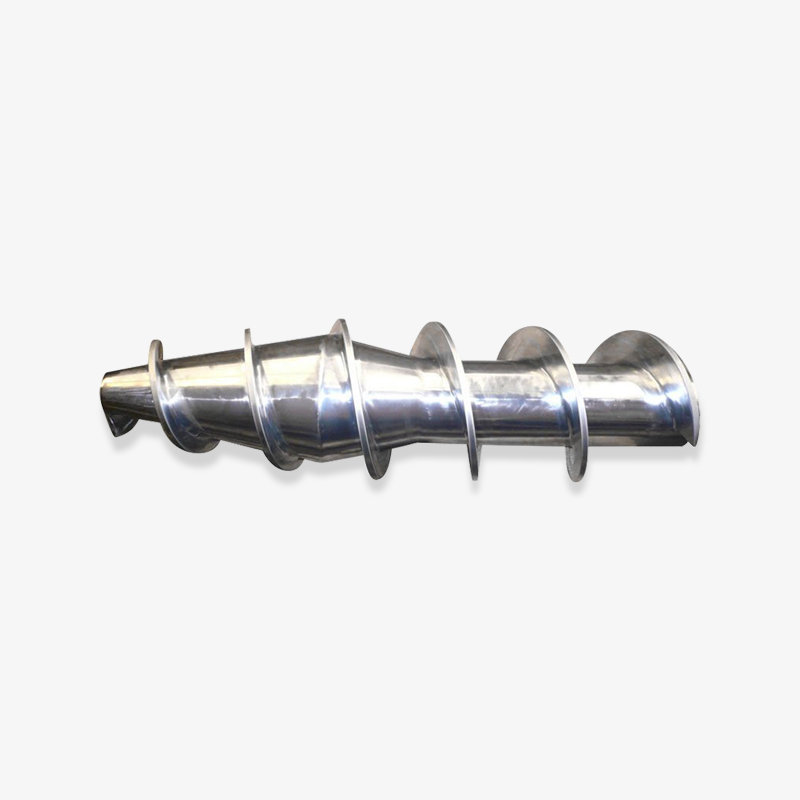
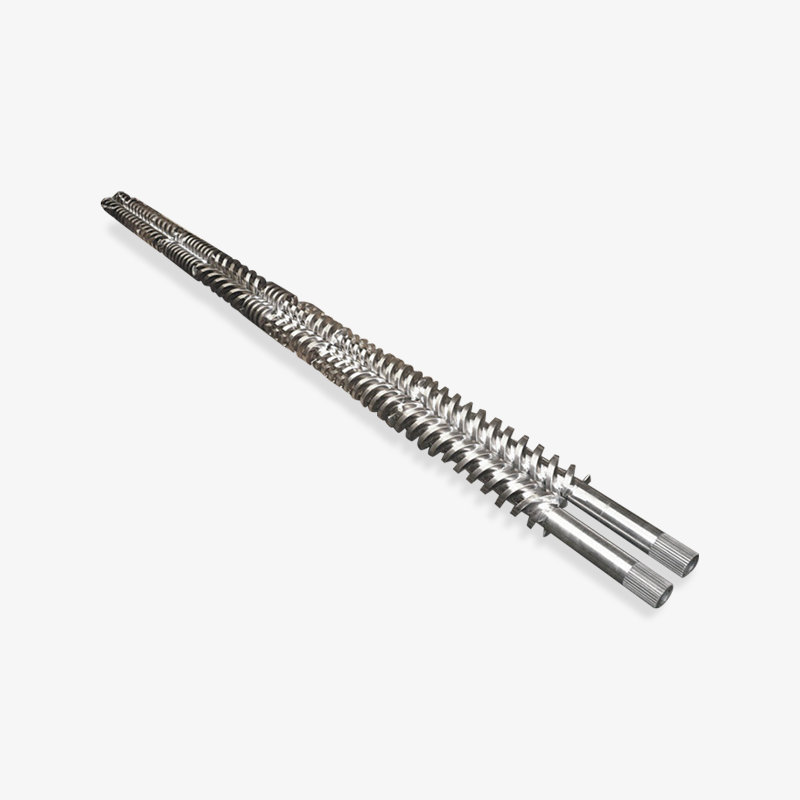
The same layered principle applies to the matching bimetallic screw, where the flight tips are surfaced with a similar hard alloy so that the screw and barrel wear at a comparable rate. Keeping the wear rate of the screw and barrel closely matched is important because mismatched wear between the two parts can widen the clearance gap over time, which reduces melting efficiency and can lead to inconsistent output. For this reason, a bimetallic barrel is almost always paired with a correspondingly treated screw rather than used with an untreated one.
Material Composition: Tungsten Carbide and Nickel Alloy Layers
The inner alloy layer of a bimetallic screw barrel is generally made from high wear-resistant alloys such as tungsten carbide (WC) or nickel-chromium alloy (NiCr). Tungsten carbide layers are commonly selected when the priority is maximum abrasion resistance, since tungsten carbide particles are among the hardest engineering materials used in extrusion tooling. Nickel-chromium based layers are often selected when a balance of hardness and toughness is needed, since a purely carbide-heavy layer can become more brittle under certain load conditions. The table below summarizes the general role of each alloy type in barrel construction.
| Alloy Layer Type | Primary Strength | Typical Use Case |
|---|---|---|
| Tungsten Carbide (WC) | High abrasion resistance | Glass fiber and mineral filled plastics |
| Nickel-Chromium (NiCr) | Balanced hardness and toughness | General engineering plastics |
| Ni-20 Nickel-Based Alloy | Corrosion resistance | PC, PVC, and acrylic processing |
The bar chart below compares the general hardness range of a bimetallic alloy layer against a conventional nitrided barrel surface, using the manufacturer-stated HRC60-70 range for the bimetallic layer as the reference point. This is presented as an illustrative comparison to make the hardness difference easier to interpret, rather than as a laboratory test result. A nitrided barrel surface typically falls in a lower hardness band, since nitriding only hardens a thin surface case rather than fusing a distinct high-hardness alloy layer. The wider hardness margin shown for the bimetallic layer is the main reason it resists abrasive wear from glass fiber, mineral fillers, and other reinforced compounds more effectively over time. Processors evaluating tooling upgrades often use this kind of hardness gap as a first screening factor before looking at cost and lead time. As the gap widens, the expected interval between barrel replacements generally lengthens as well, which is discussed further in the next section.
Wear Resistance and Service Life Advantages
The practical benefit of the higher hardness layer is a longer usable service life before the bore surface wears enough to affect output quality. According to manufacturer specification data, a bimetallic barrel can achieve a service life around 5 to 8 times longer than an ordinary single-metal barrel under comparable processing conditions. This directly translates into fewer planned downtime events for barrel replacement, less frequent screw and barrel realignment work, and lower cumulative spare parts spending across a production line's operating life. For processors running abrasive compounds such as glass fiber reinforced nylon on a near-continuous basis, the extended interval between replacements is often the single largest factor in the total cost of ownership calculation for extrusion tooling.
Illustrating the Service Life Multiplier
The chart below sets the service life of an ordinary barrel at a baseline index of 1 and shows the bimetallic barrel positioned across the stated 5 to 8 times range as a shaded band rather than a single fixed number, since actual results vary with the abrasiveness of the material being processed and how the equipment is operated. Even at the lower end of that range, a five-fold increase in service interval is a substantial reduction in replacement frequency for a high-throughput line. At the upper end of the range, closer to eight times, the barrel can remain in service through several additional production cycles before wear becomes a limiting factor. This variation is expected and is one reason processors are generally advised to monitor wear indicators directly rather than relying only on a fixed replacement schedule.
Corrosion Resistance for Processing Sensitive Plastics
Wear resistance is only part of the performance picture. Many plastics release corrosive byproducts during melting, and a barrel that only resists abrasion but not corrosion can still degrade quickly in these applications. For this reason, a bimetallic screw barrel intended for corrosive service is typically built with a Ni-20 nickel-based alloy layer, which is suited to processing highly corrosive plastics such as PC, PVC, and acrylic. This corrosion-resistant configuration helps protect the bore surface from pitting and chemical attack, which in turn supports more stable production runs and reduces the risk of contamination that can occur when a degraded barrel surface sheds material into the melt stream. Maintaining a consistent, corrosion-resistant bore is also a practical factor in holding tight dimensional tolerances on parts that require repeatable wall thickness or surface finish.
Thermal Stability and Continuous Operation Performance
A bimetallic screw barrel is also expected to maintain good mechanical properties and dimensional stability in high-temperature environments, which makes it suitable for processing high-temperature plastics and for supporting long-term continuous operation without frequent interruption. Dimensional stability under heat matters because thermal expansion that is uneven or excessive can change the clearance between the screw and barrel wall during a production run, which affects shear heating and melt consistency. The radar chart below compares four general performance dimensions between a bimetallic configuration and a standard single-metal configuration on an illustrative 1-to-5 scale: wear resistance, corrosion resistance, thermal stability, and dimensional stability during continuous operation.
As the chart shows, the bimetallic configuration is positioned higher across all four dimensions, with the largest relative gap appearing in wear resistance, consistent with the hardness data discussed earlier. Thermal stability and dimensional stability show a smaller but still meaningful gap, reflecting that the base structural steel in both configurations contributes to overall thermal behavior, while the alloy layer mainly protects the working surface. Corrosion resistance depends heavily on which alloy layer is selected, so a barrel built with a Ni-20 layer would generally sit even higher on that axis than a general-purpose NiCr layer. This kind of multi-dimension view is useful for engineering teams comparing tooling options across several performance criteria at once rather than focusing on a single metric.
Industry Applications of Bimetallic Screw Barrels
A bimetallic screw barrel is widely used across automotive, electronics, home appliance, construction, and packaging manufacturing, particularly wherever engineering plastics or highly filled compounds are processed. Common applications include glass fiber reinforced nylon, PP extended with glass fiber, and specialty compounds loaded with electric wood filler, magnetic powder, ceramic powder, aluminum-magnesium powder, or copper powder. These filled and reinforced materials are significantly more abrasive than unfilled resins, which is precisely the condition under which the hardness advantage of a bimetallic barrel has the most impact on service life. The donut chart below presents a general, illustrative breakdown of where bimetallic barrel demand commonly concentrates across these industry segments, based on typical application patterns rather than a specific market survey.
Choosing Between Bimetallic and Standard Screw Configurations
Selecting between a bimetallic configuration and a standard nitrided configuration generally comes down to the abrasiveness and corrosiveness of the material being processed, the expected production volume, and how much downtime the operation can tolerate for tooling replacement. The list below summarizes the general factors that typically favor a Bimetallic Screw Barrel over a standard alternative.
- Processing glass fiber, mineral filled, or metal powder loaded compounds on a regular basis.
- Running highly corrosive resins such as PVC, PC, or acrylic that require a nickel-based protective layer.
- Operating near-continuous production schedules where unplanned barrel replacement causes significant downtime cost.
- Needing consistent dimensional tolerances over long production runs at elevated processing temperatures.
Maintenance and Installation Considerations
Even with a hard alloy layer, a bimetallic barrel benefits from routine inspection practices such as checking bore diameter at multiple points along the barrel length, monitoring the clearance between the screw flight and the bore surface, and reviewing melt pressure trends for gradual changes that can indicate wear. Proper alignment during installation is also important, since an improperly aligned screw can create localized contact points that wear unevenly even on a hardened surface. Following the equipment manufacturer's recommended startup and shutdown procedures, including controlled purging when switching between resin types, helps preserve the alloy layer and supports the barrel reaching its expected service life range.
About Zhoushan Microwave Screw Machinery Co., Ltd.
Zhoushan Microwave Screw Machinery Co., Ltd is a professional China screw barrel manufacturer and screw extruder factory. The company has more than 10,000 square meters of production workshop and more than 60 employees. Since its founding in 1990, it has been committed to the production and research of plastic machinery, while introducing foreign screw machinery technology and technology. This long-term focus on screw and barrel manufacturing supports ongoing development work on bimetallic barrel construction methods, including alloy layer selection for different resin and filler combinations used across automotive, electronics, appliance, construction, and packaging applications.
Frequently Asked Questions
Q1: What makes a bimetallic screw barrel different from a standard barrel?
A bimetallic screw barrel has a hard alloy layer, such as tungsten carbide or nickel-chromium alloy, metallurgically fused onto the inner bore surface, which raises hardness well above what surface hardening alone can achieve on a standard barrel.
Q2: Which plastics are suitable for processing with a bimetallic barrel?
Bimetallic barrels are commonly used for engineering plastics such as glass fiber reinforced nylon and PP, as well as corrosive resins such as PC, PVC, and acrylic when a Ni-20 nickel-based alloy layer is used.
Q3: How much longer does a bimetallic barrel typically last?
According to manufacturer specification data, service life can extend to roughly 5 to 8 times that of an ordinary barrel, though actual results depend on the abrasiveness of the material processed and operating conditions.
Q4: Does a bimetallic screw barrel require a matching bimetallic screw?
Pairing a bimetallic barrel with a correspondingly surfaced bimetallic screw helps keep wear rates matched between the two parts, which supports more stable clearance and melting performance over time.
Q5: What industries commonly use bimetallic screw barrels?
Common industries include automotive, electronics, home appliances, construction, and packaging, particularly in processes involving glass fiber, mineral filled, or metal powder loaded engineering plastics.
แสดงแบริ่งที่เลือก


 浙公网安备 33090202000520 号